
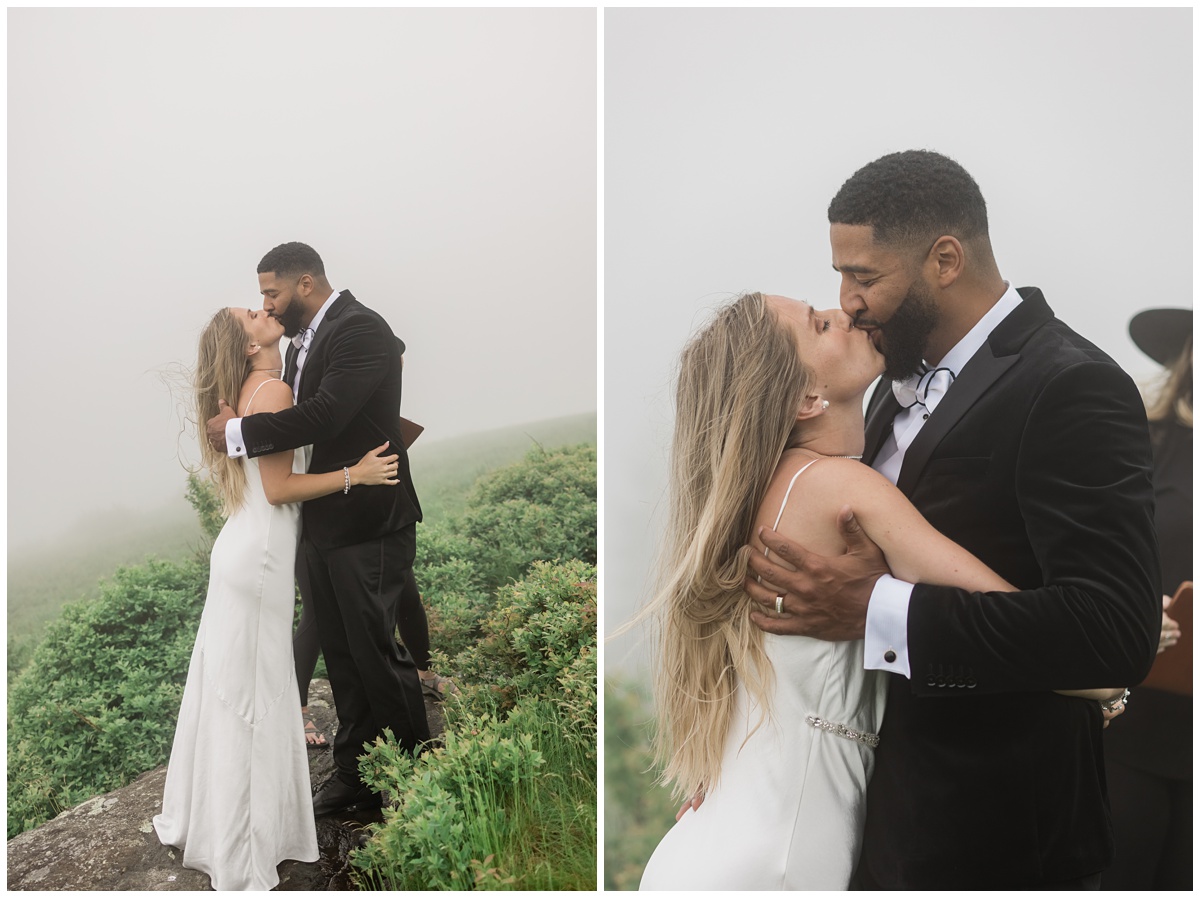
Dreaming about getting married with misty mountain views, wildflowers, and the people you love most? A Smoky Mountain elopement can feel wonderfully simple, but the best days still have a little thoughtful planning behind them. The good news is that you do not have to figure it all out alone.
I am based in Sevierville and photograph weddings and elopements throughout Gatlinburg, Pigeon Forge, Townsend, and Great Smoky Mountains National Park. This guide walks you through the real planning pieces, from choosing an approved ceremony site to building a timeline that leaves room for belly laughs, happy tears, and the wonderfully unplanned moments in between.
Permit information in this guide was reviewed September 7, 2026. Park rules can change, so always confirm the latest details with the National Park Service before applying.
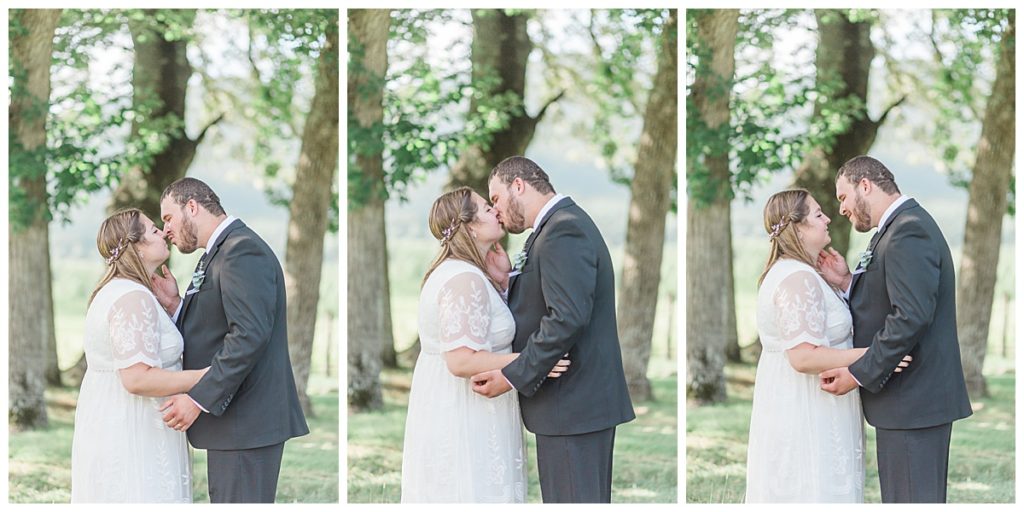
Quick Answer: How to Elope in the Smoky Mountains
- Decide whether you want a ceremony inside Great Smoky Mountains National Park or at a private venue nearby.
- Choose an approved ceremony location that fits your guest count, accessibility needs, and preferred scenery.
- Apply for the required Special Use Permit if your ceremony will take place inside the national park.
- Get your Tennessee marriage license through the appropriate county clerk.
- Build a flexible timeline around traffic, weather, daylight, and the time included in your permit.
- Choose a photographer who knows the area and can help you plan without turning the whole day into one long photo session.
Step 1: Choose Between a National Park Ceremony and a Private Venue
First, decide what kind of experience feels most like you. A ceremony inside Great Smoky Mountains National Park gives you unforgettable scenery and a true outdoor adventure. It also comes with permit rules, visitor traffic, parking limits, and no guarantee of privacy.
A private venue near Gatlinburg, Pigeon Forge, Sevierville, or Townsend can offer more privacy, easier access, indoor backup space, and room for a larger celebration. You can still head into the mountains for portraits if your timeline and access rules allow it.
If you are torn between the two, start with your guest list and comfort level. A park ceremony is beautiful for couples who are happy to keep things simple and flexible. A private venue may be the better fit if you want chairs, décor, a reception, or a reliable rain plan.
Step 2: Pick an Approved Smoky Mountain Ceremony Location
Weddings, elopements, and vow renewals inside the national park must take place at a designated ceremony location. A beautiful trail, waterfall, or overlook is not automatically an approved place to exchange vows.
Cades Cove Ceremony Locations
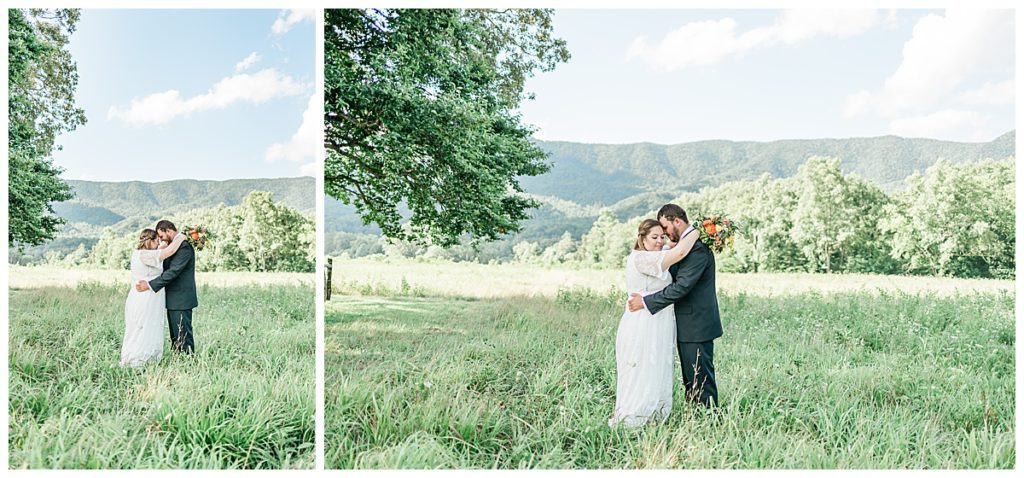
Cades Cove is one of the most recognizable areas in the Smokies, with open fields, historic buildings, mountain layers, and plenty of wildlife. Approved options include the Cades Cove Wildlife Overlook, LeQuire Cemetery Overlook and adjacent field, and several historic churches.
This area is popular, so traffic and seasonal restrictions matter. Some Cades Cove locations are unavailable on certain days or during especially busy periods. If this scenery has your heart, we can build in extra time and keep the plan realistic.
Want to see what the area looks like in photographs? Browse this GSMNP elopement at LeQuire Overlook.
Foothills Parkway Overlooks
Foothills Parkway offers sweeping mountain views without a long hike, which makes it a lovely option for couples who want drama and accessibility. Several overlooks on the east and west sections appear on the park’s approved list, but each one has its own parking and scheduling considerations.
These overlooks are especially pretty near sunrise and sunset. Mountain weather can shift quickly, though, so I always recommend a backup plan and a little room in the timeline.
Gatlinburg, Newfound Gap, and Kuwohi
Approved options near Gatlinburg include designated Gatlinburg overlook parking areas and the Gatlinburg Bypass entrance sign. Newfound Gap and the Kuwohi parking area also appear on the approved list and can deliver big mountain scenery.
Higher elevations may be colder, windier, foggier, or temporarily inaccessible even when the weather feels mild in town. I love a moody mountain moment, but I also love keeping you safe and comfortable. We will plan layers, check conditions, and keep a flexible alternative ready.
Waterfalls, Historic Sites, and Quieter Options
Cataract Falls is on the park’s designated ceremony list, along with historic locations such as Mingus Mill, Noah “Bud” Ogle cabin, Palmer Chapel at Cataloochee, and Smokemont Church. Greenbrier, Cataloochee Overlook, Heintooga Overlook, Lakeview Drive, and several other designated areas may also be available.
Popular places such as Laurel Falls, Grotto Falls, Abrams Falls, and Mount LeConte should not be presented as approved ceremony sites. Depending on current park rules, access, and conditions, a trail or scenic stop may work for portraits before or after your ceremony. Your vows still need to happen at the location named on your permit.
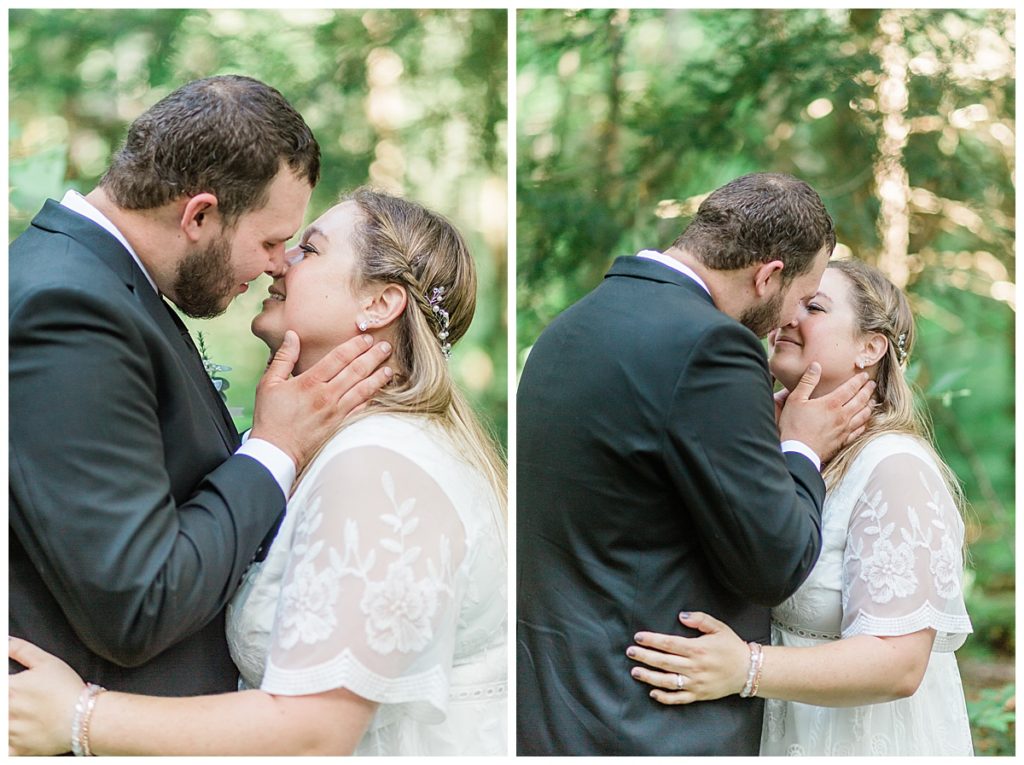
Step 3: Apply for Your Great Smoky Mountains Wedding Permit
The National Park Service requires a Special Use Permit for weddings, elopements, and vow renewals held inside Great Smoky Mountains National Park.
- Applications are accepted up to 12 months before your date and must be submitted no later than 30 days before the event.
- The current nonrefundable application fee is $50.
- You will need to choose a designated ceremony location. Exceptions are not granted.
- General limits for outdoor ceremony sites are 25 people, one hour, and six vehicles. Your couple, guests, officiant, photographer, and other vendors all count toward those limits.
- Historic churches generally allow up to 50 people, 1.5 hours, and eight vehicles unless a location has a more specific restriction.
- Your permitted time includes setup, the ceremony, photography, and cleanup.
- A permit does not give you exclusive use of the area. Other visitors may still be nearby.
Start with the official Great Smoky Mountains wedding permit page. Download Form 10-930, follow the current instructions, and confirm any location-specific restrictions before you make nonrefundable plans.
Step 4: Get Your Tennessee Marriage License
Your park permit gives you permission to hold the ceremony in the park. It is separate from the marriage license that makes the marriage legal.
License requirements can change, especially for couples traveling from out of state. Check the Sevier County Clerk’s current marriage information or the county clerk where you plan to apply. Confirm identification requirements, office hours, fees, and officiant rules directly before your trip.
Best Time of Year for a Smoky Mountain Elopement
Spring
Spring brings fresh green color, blooming trees, and moody skies. Rain is always possible, so clear umbrellas, flexible shoes, and a backup plan are your best friends.
Summer
Summer is lush and warm, with long evenings for portraits. Weekdays and early mornings can help with crowds and heat. Afternoon storms are common enough that I plan timelines with breathing room.
Fall
Fall color is gorgeous and incredibly popular. Traffic, lodging, and ceremony locations fill quickly, so plan early and expect more visitors. The color timeline also changes with elevation, which means one part of the park may peak before another.
Winter
Winter can feel peaceful and wonderfully cozy. Bare trees reveal mountain layers, and an occasional dusting of snow is pure magic. Higher roads and overlooks may close because of ice or weather, so choose a backup location that does not depend on elevation.
A Relaxed Smoky Mountain Elopement Timeline
Your day does not have to be rushed, and it definitely does not need to feel like one long photo session. A simple timeline might include getting ready at your cabin, a first look, the ceremony, family hugs and group photos, time to breathe, mountain portraits, and a private dinner or champagne celebration afterward.
The exact order depends on your permit time, drive times, sunset, and traffic. I help my couples build a plan that protects the meaningful parts while leaving enough wiggle room for changing weather, a slow-moving bear jam, or an extra minute with your favorite people.
What to Bring
- Your permit and marriage license documents
- Comfortable walking shoes, even if you change into dressier shoes later
- Layers for quick temperature changes
- Water, snacks, and any needed medication
- Clear umbrellas or simple rain protection
- A small touch-up kit and a way to secure loose hair in the wind
- Leave No Trace supplies so everything you bring comes back out with you
Ceremony Sites and Portrait Locations Are Not Always the Same
This is one of the biggest planning details couples miss. Your permit names the approved place where your ceremony happens. Portraits may be possible at other accessible locations before or after, but that depends on current park rules, closures, parking, daylight, and the time available.
I never promise a “secret” spot or a private public overlook. Instead, I help you choose scenery that fits the experience you want, plan for real park conditions, and create photographs that still feel intimate even when we are sharing the mountains respectfully with other visitors.
Smoky Mountain Elopement FAQ
Do we need a permit for a two-person elopement?
Yes. The National Park Service requires a Special Use Permit for wedding ceremonies, elopements, and vow renewals inside Great Smoky Mountains National Park, even when the celebration is tiny.
Can our family come?
Absolutely, as long as the total number of people and vehicles stays within your chosen location’s limits. Remember that vendors count too. If your group is larger or needs seating and easier access, a private venue may be more comfortable.
Will we have the ceremony location to ourselves?
Usually not. A park permit does not close the area to visitors. Choosing a weekday or quieter time may help, but no public location comes with guaranteed privacy.
What happens if it rains?
Light rain and fog can be absolutely beautiful in photographs. For heavier weather, unsafe roads, or closures, we use the backup plan we created ahead of time. Flexibility is part of the mountain magic.
Can we bring décor, chairs, music, or our dog?
Restrictions vary by location and activity. Do not assume an item or setup is allowed just because the celebration is small. Include your plans in the permit process and follow the conditions issued by the park.
For a larger venue or cabin celebration, read my Smoky Mountain wedding planning guide. It covers venues, lodging, weather, and guest travel.
Ready to Plan a Smoky Mountain Elopement That Feels Like You?
If your dream day includes big views, happy tears, muddy hems, champagne pops, or all of the above, I would love to hear about it. As a Smoky Mountain wedding and elopement photographer, I can help you create a photo-friendly timeline, prepare for mountain weather, and stay present for the moments that matter.
You can also browse my Smoky Mountains elopement checklist, explore Knoxville and East Tennessee wedding venues, or reach out and tell me what you are dreaming up.